 Safety
Industries we serve
Safety walks for every high-risk workplace
Jobsites, warehouses, plant floors, foundries, process plants, substations, shipyards and roofs. Pick your work type and SafetyWalk looks hardest for that industry's hazards, with suggested OSHA references.
Choose your industry
Construction references come from OSHA 29 CFR 1926. Warehouses, plants and factories use General Industry, 29 CFR 1910. Shipyards and terminals use 29 CFR 1915, 1917 and 1918. Every suggested reference is checked against the official eCFR text.

OSHA 29 CFR 1926
Construction & general contractors
Falls, ladders, scaffolds, trenches, electrical, cranes and staging.
See how it worksOSHA 29 CFR 1910
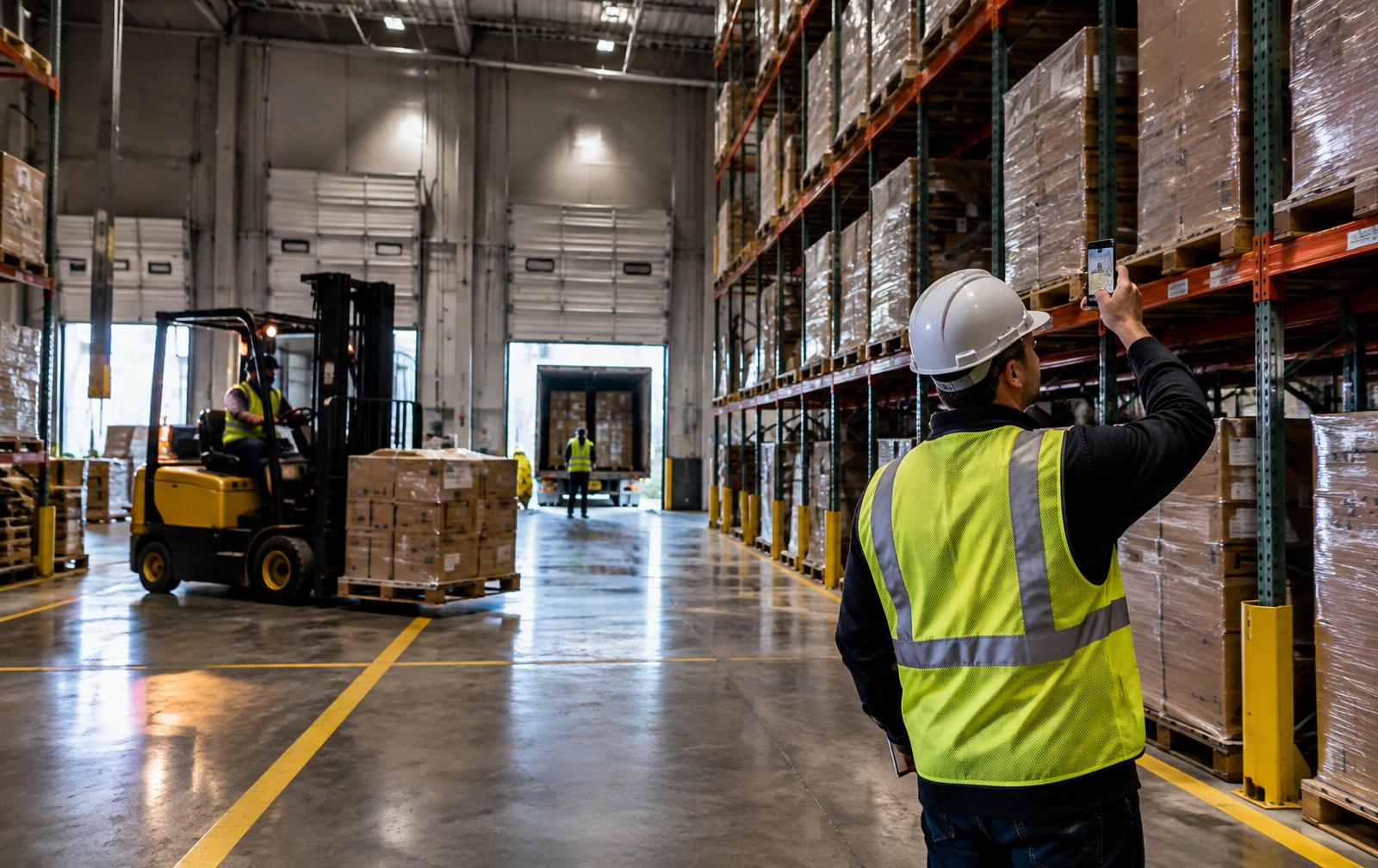
Warehousing & distribution
Forklift lanes, racking, dock edges, blocked exits and extinguishers.
See how it works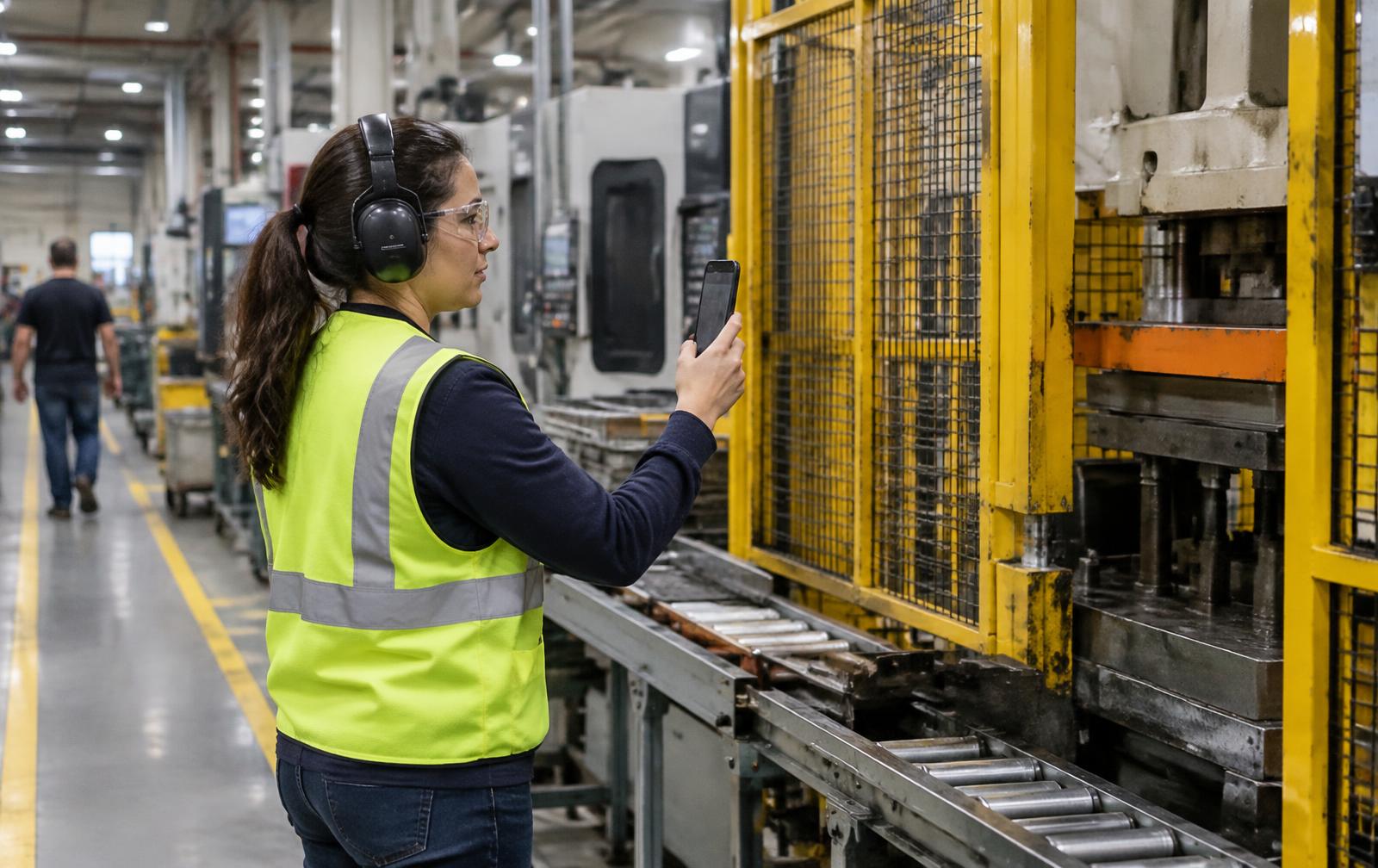
OSHA 29 CFR 1910
Manufacturing & assembly
Machine guarding, lockout/tagout, PPE, cranes and floor housekeeping.
See how it works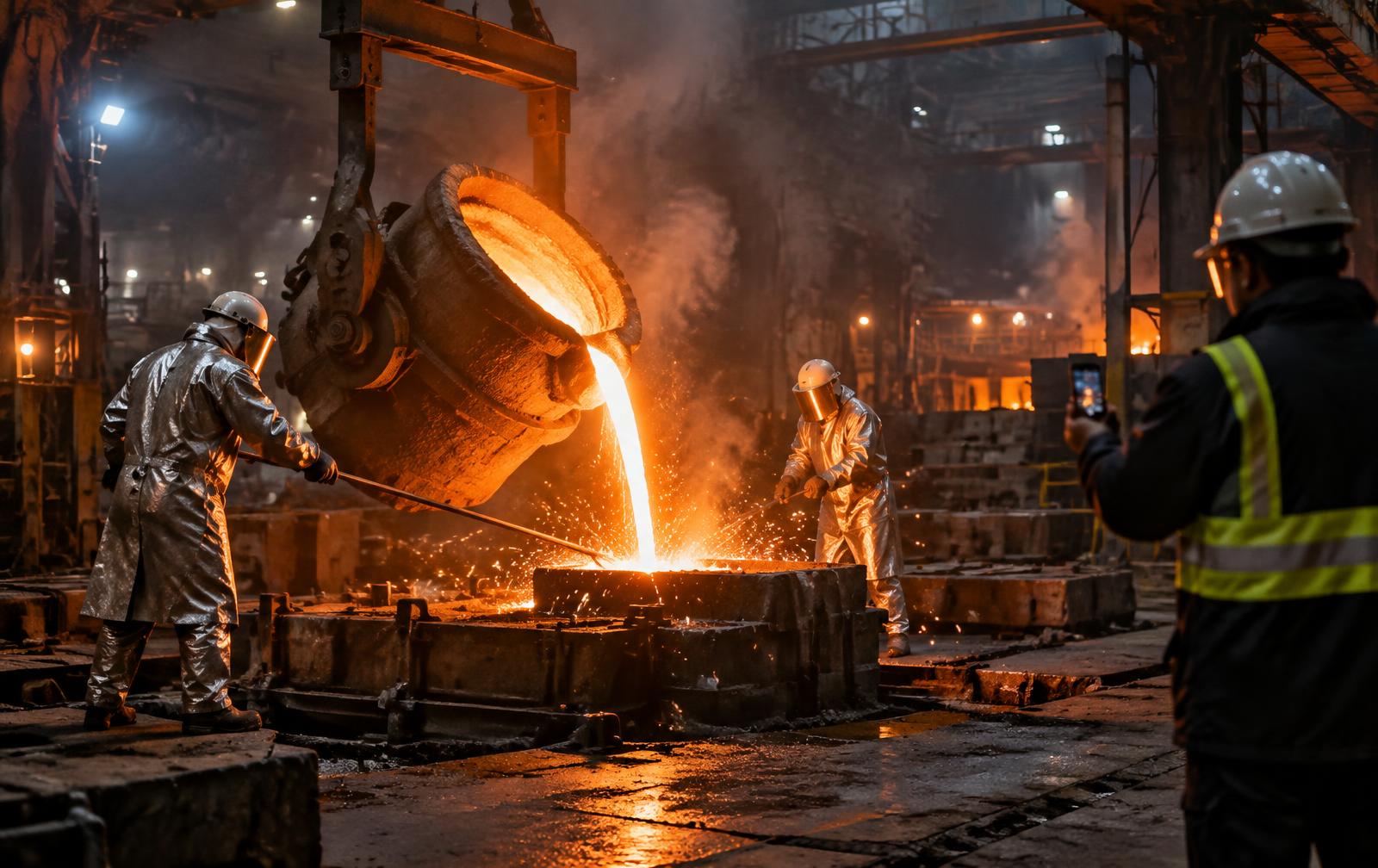
OSHA 29 CFR 1910
Foundries, forging & metal fab
Molten metal zones, heat PPE, cranes, gas cylinders, silica and hot work.
See how it works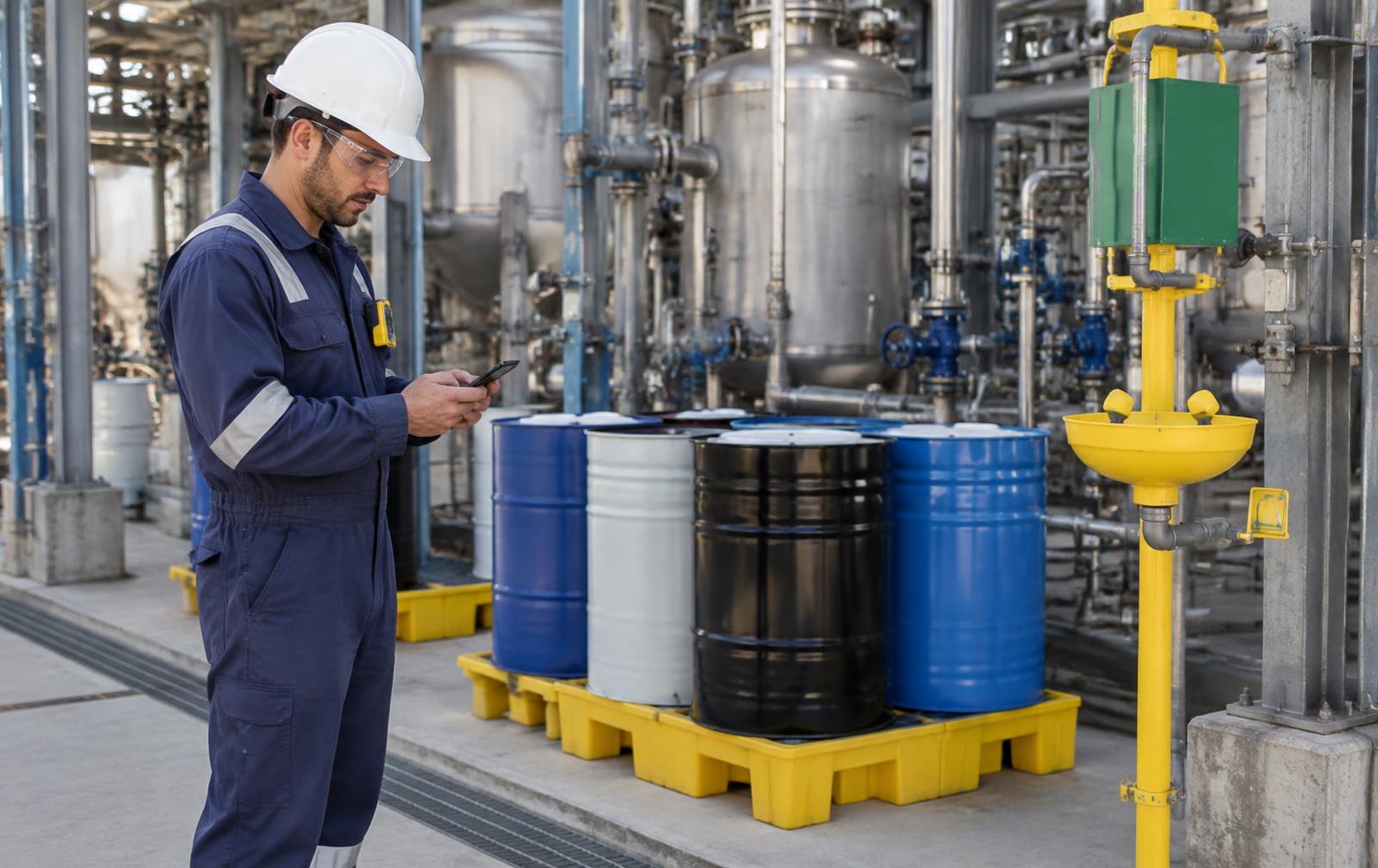
OSHA 29 CFR 1910
Industrial & chemical plants
Chemical storage, eyewash, confined spaces, panels and process areas.
See how it works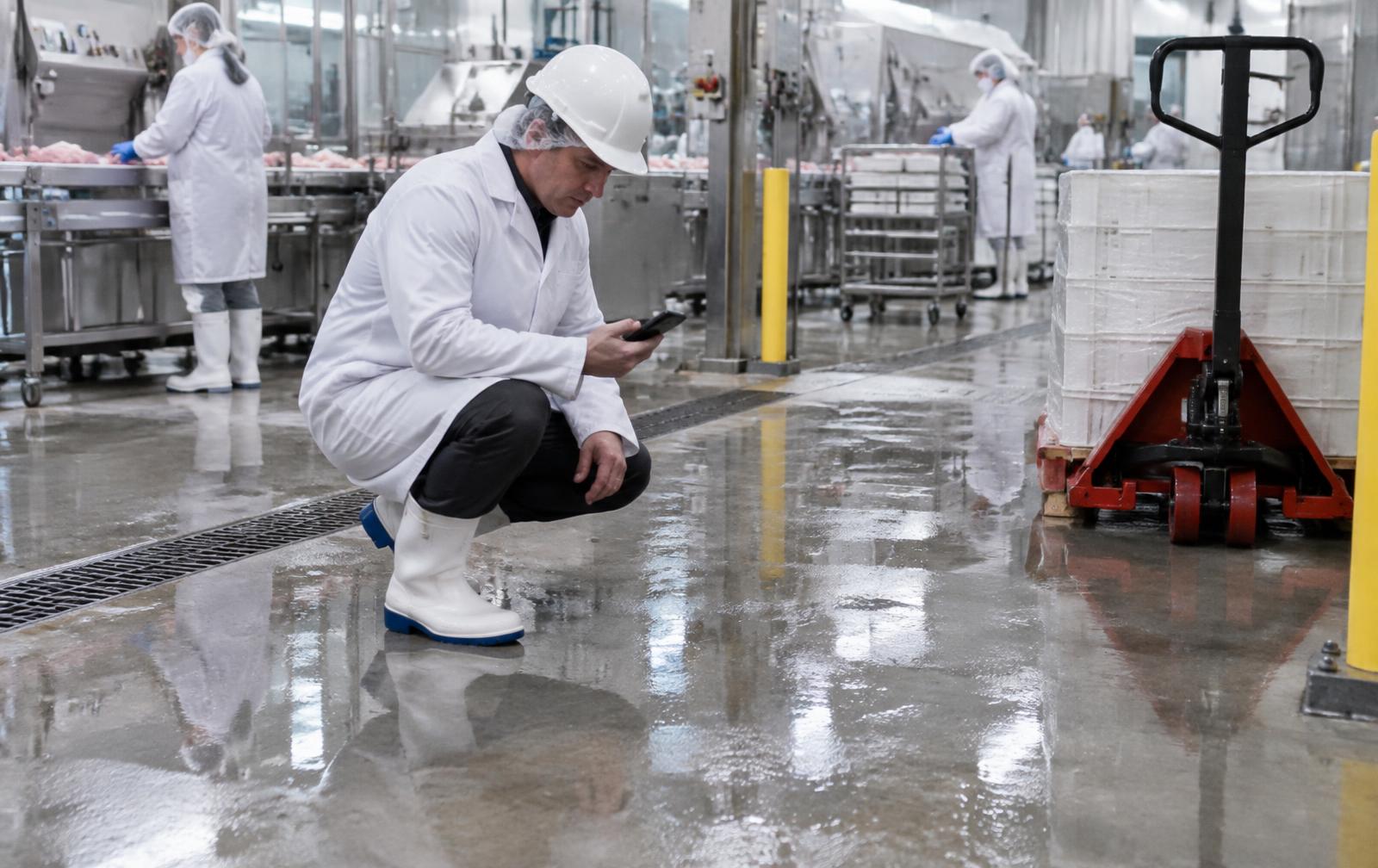
OSHA 29 CFR 1910
Food processing & cold storage
Wet floors, guarding, ammonia areas, pallet jacks and cold storage.
See how it works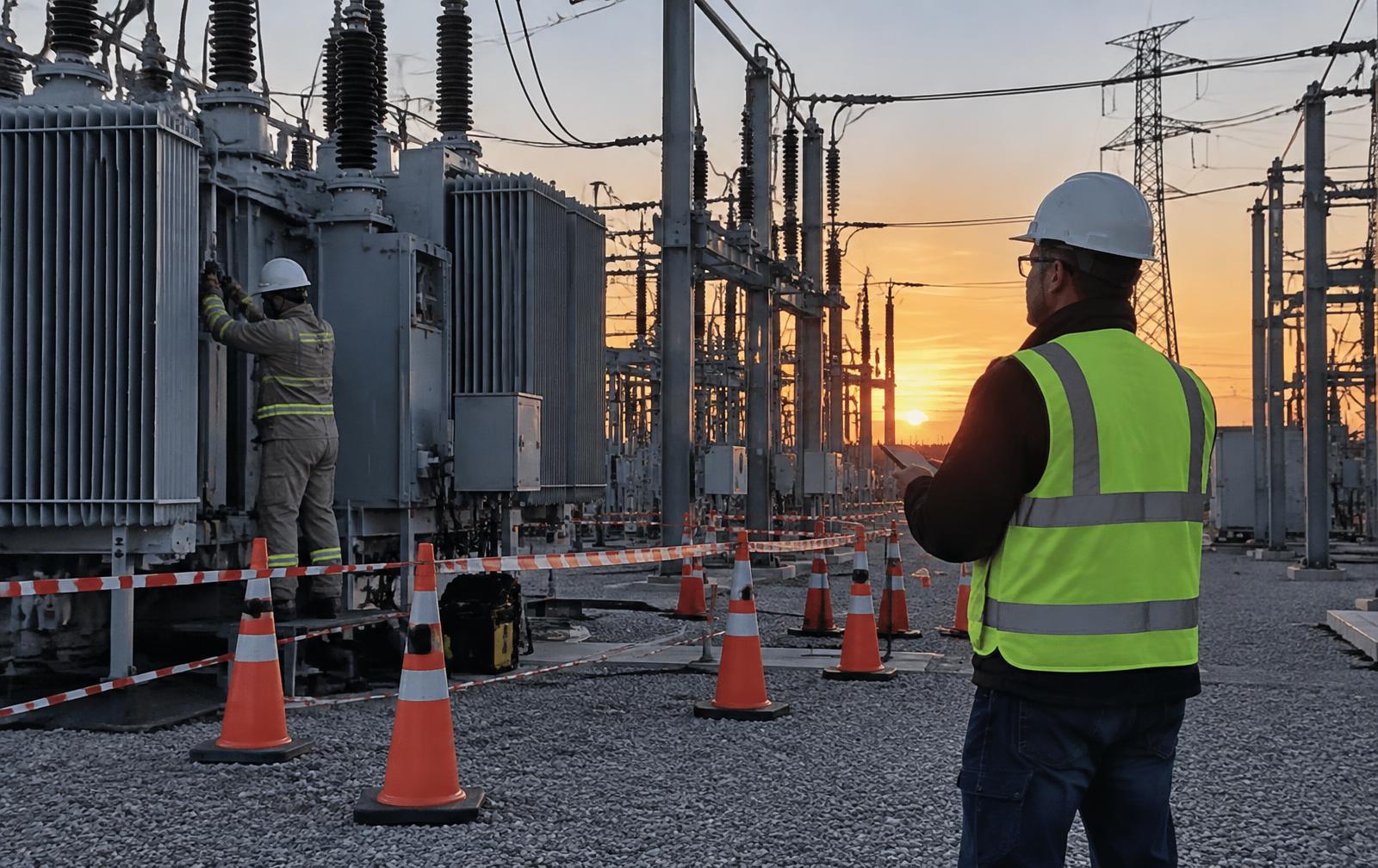
OSHA 1910.269 & 1926 Subpart V
Utilities & power generation
Substations, arc flash PPE, clearances, work zones and bucket trucks.
See how it works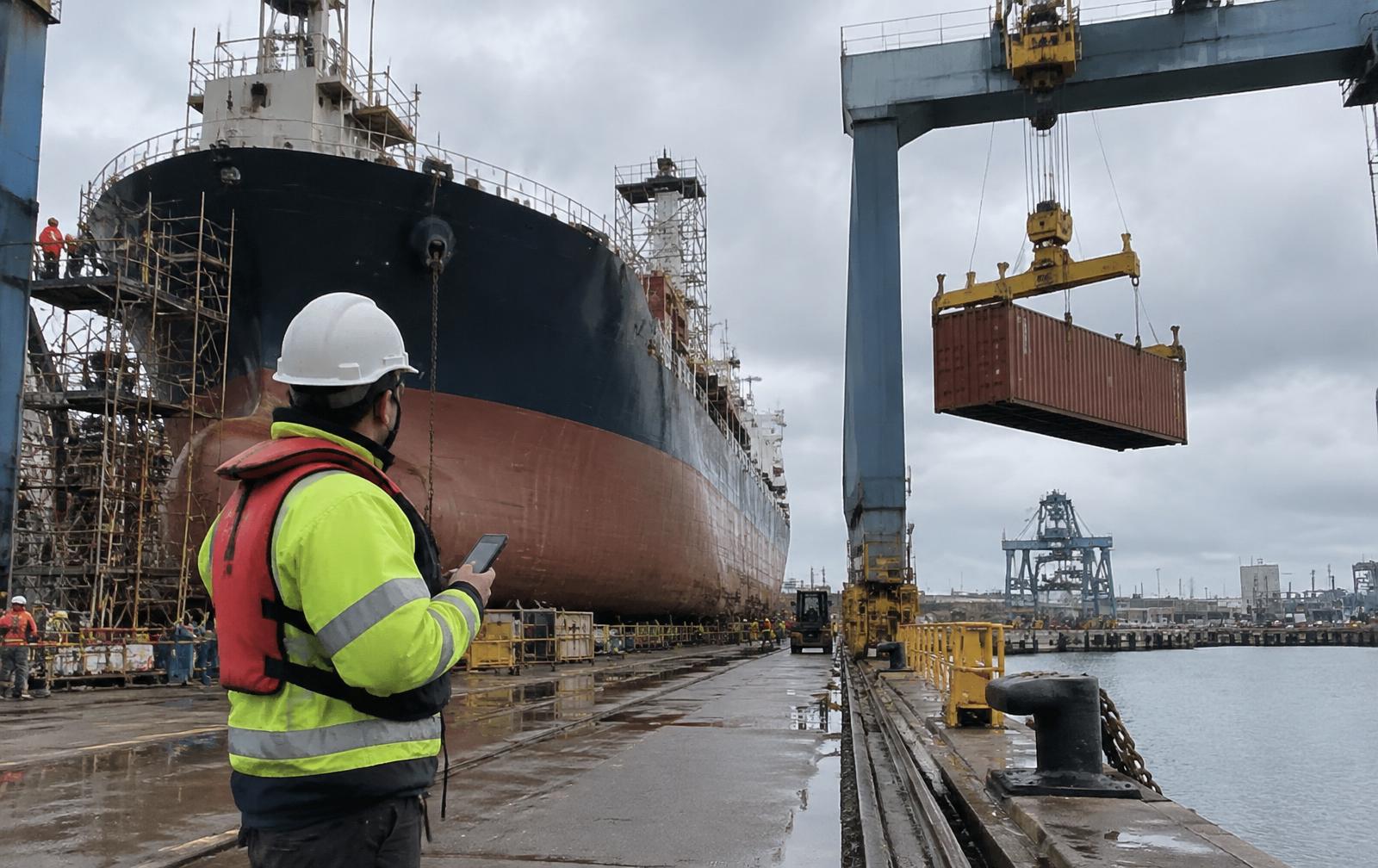
OSHA 29 CFR 1915, 1917 & 1918
Shipyards, ports & marine terminals
Dock edges, gangways, cranes, containers, hot work and staging.
See how it works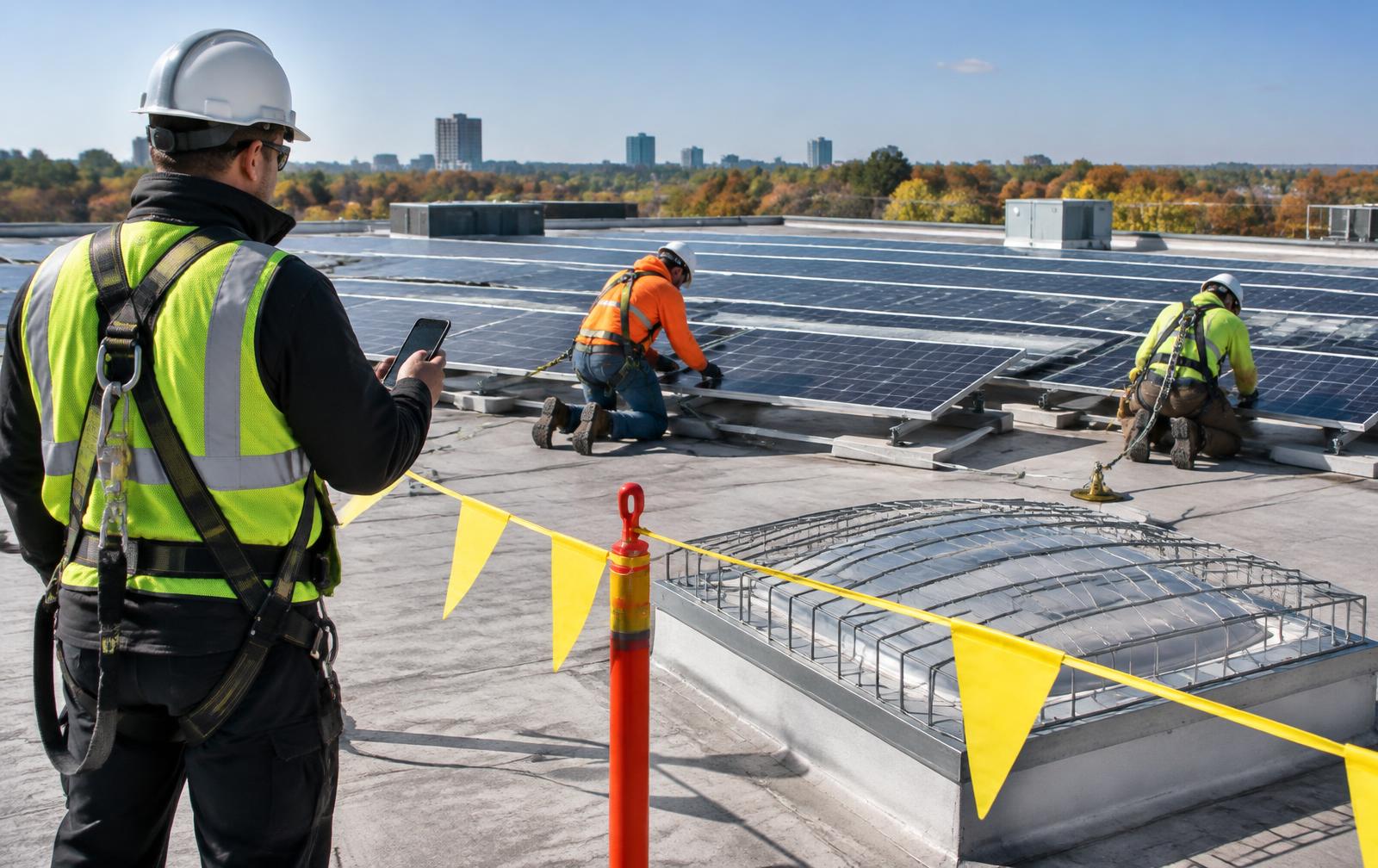
OSHA 29 CFR 1926 Subpart M
Roofing & solar installers
Leading edges, skylights, anchors, warning lines and ladders.
See how it worksRun your first safety walk today
14-day free trial. No card needed.